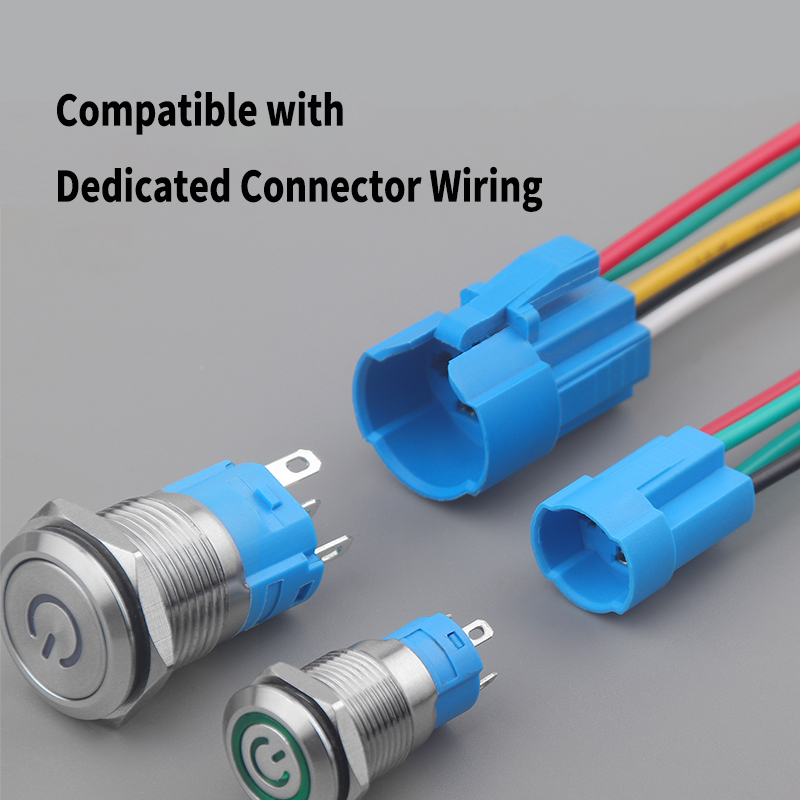

 In industrial environments, safety is not an option—it is a requirement. Emergency stop switches are among the most critical safety components on any machine, providing operators with a clear and immediate way to halt equipment in hazardous situations. This guide explores the key features, applications, and selection criteria for the 22mm waterproof emergency stop switch with 1NO1NC contacts and dual-mode operation.
What is a 22mm Emergency Stop Switch?
A 22mm emergency stop switch is a panel-mounted safety device designed to quickly shut down machinery in emergencies. The “22mm” designation refers to the standard panel cutout diameter required for installation, which is the most common industrial standard worldwide. This size balances operator accessibility with panel space efficiency, making it suitable for most control cabinets and equipment.
These switches are characterized by their distinctive red mushroom head, often with a yellow background or bezel for high visibility, ensuring they can be easily located in stressful situations.
Key Features and Technical Specifications
1NO1NC Contact Configuration
The 1NO1NC contact configuration means the switch contains one Normally Open (NO) contact and one Normally Closed (NC) contact. This is the most common arrangement for safety circuits and provides flexibility for different control applications.
| Contact Type | State During Normal Operation | State When Activated |
|---|---|---|
| NC (Normally Closed) | Closed (circuit is complete) | Opens (breaks the circuit) |
| NO (Normally Open) | Open (circuit is broken) | Closes (completes the circuit) |
In safety applications, NC contacts are preferred for fail-safe operation: if a wire breaks, the circuit opens and the machine stops.
Dual-Mode Operation: Maintained vs. Momentary
This switch supports both maintained (self-locking) and momentary (self-recovery) operation modes.
Maintained (Latching) Mode: When you press the button, it locks into the activated position. The circuit remains interrupted until the operator manually resets the switch—typically by pulling or twisting the button. This ensures the machine stays stopped until a deliberate reset action is performed.
Momentary Mode: The switch only activates while being held down. Once released, it returns to its normal position. This mode is less common for emergency stops but can be used in specific control applications.
Waterproof and Dustproof Construction
The waterproof construction ensures reliable operation in harsh environments where moisture, dust, or debris are present. Most models achieve an IP65 or IP67 rating, meaning they are protected against dust ingress and water jets or even temporary submersion. This makes them suitable for outdoor equipment, food processing, marine applications, and dusty workshops.
Material and Durability
While many 22mm emergency stop switches feature plastic housing (often polycarbonate or ABS) for cost-effectiveness and lightweight design, metal options are available for anti-vandal applications. Contacts are typically made from silver or silver-alloy for reliable conductivity and corrosion resistance, supporting a long mechanical and electrical life.
Typical Applications
Industrial Machinery: The most common use, providing immediate shutdown capability on production lines, conveyor systems, and packaging equipment.
Automation Equipment: Robotics, AGVs (Automated Guided Vehicles), and automated assembly systems require E-stop switches for operator safety.
Off-Highway Vehicles: Tractors, lifts, and construction equipment often mount these switches on dashboards or armrest consoles.
Elevator and Escalator Controls: Safety-critical environments where immediate stop functionality is essential.
How to Choose the Right Switch
Size and Mounting: Verify your panel requires the standard 22mm hole size. If space is extremely limited, consider 19mm options, but 22mm remains the most universal choice.
Contact Configuration: Confirm the 1NO1NC arrangement suits your circuit requirements. Some applications may require additional contacts (2NO2NC).
Reset Method: Choose between turn-reset (twist to release) or pull-reset mechanisms. Twist-release is the most common industrial standard.
Environmental Rating: Ensure the switch meets the required IP rating for your operating environment—IP65 for water jets or IP67 for submersion.
Certifications: Look for compliance with international safety standards such as IEC 60947-5-1, IEC 60947-5-5, UL, CE, or EN60947.
Frequently Asked Questions
Q: What does “1NO1NC” mean?
A: It means the switch has one Normally Open contact and one Normally Closed contact, providing flexibility for different control circuit designs.
Q: Is this switch waterproof?
A: Yes, models with IP65 or IP67 ratings are waterproof and dustproof, suitable for harsh industrial environments.
Q: What is the difference between maintained and momentary?
A: Maintained locks in position when pressed and requires manual reset; momentary only activates while held down.
Q: How do I reset a maintained emergency stop switch?
A: Most models use a turn-reset mechanism: simply twist the red button head to release the lock and return to normal operation.
Q: What standards should I look for?
A: Look for compliance with IEC 60947-5-1, IEC 60947-5-5, UL, and CE certifications to ensure safety and regulatory compliance